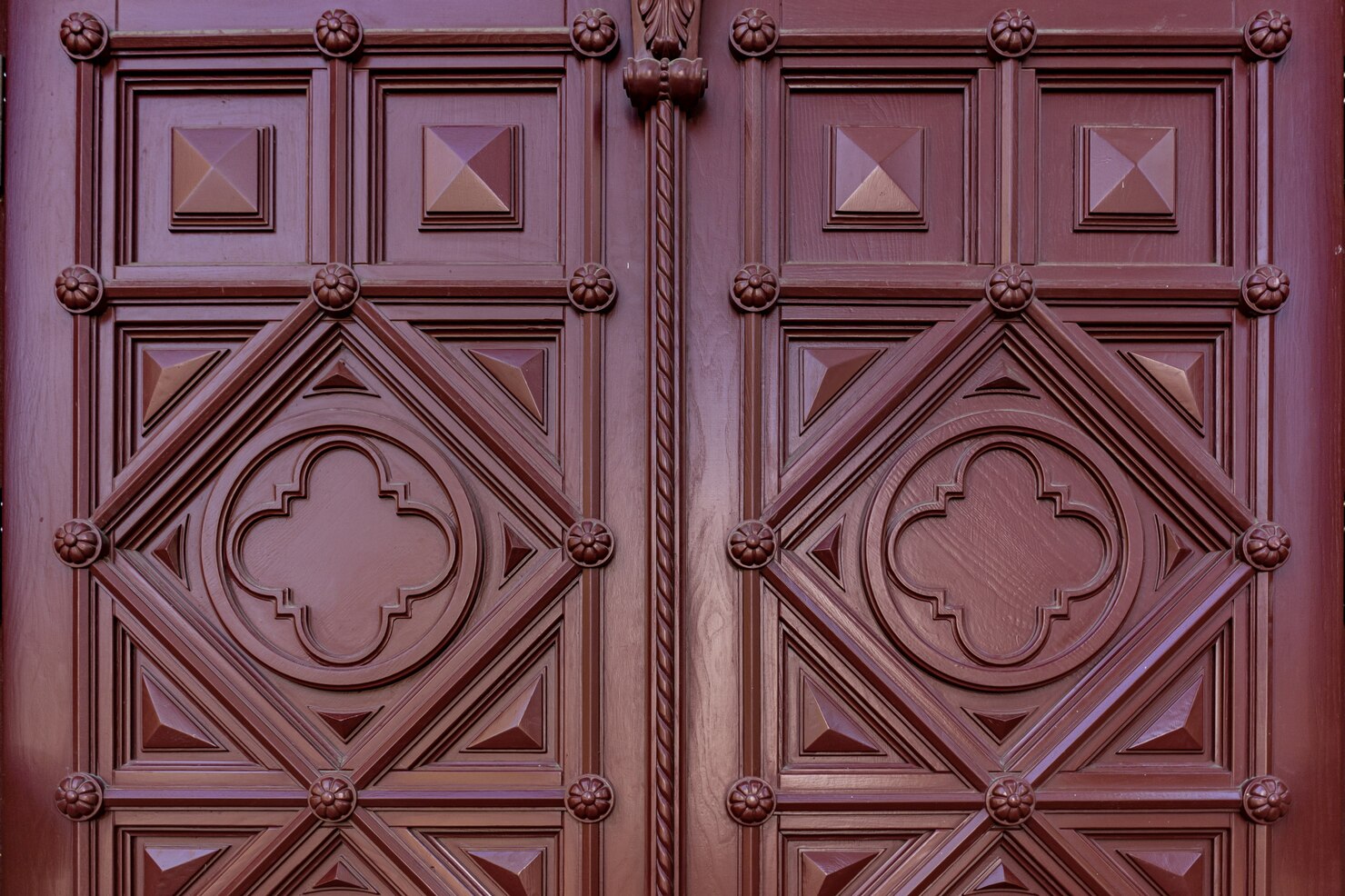
What Is Custom Woodwork for Homes?
Custom woodwork refers to wooden products designed and made according to a homeowner's specific requirements. Unlike standard, ready-made furniture or doors, customised pieces can be created in different sizes, shapes, patterns and finishes.
Some popular examples include:
- Custom wooden main doors.
- Carved wooden doors.
- Wooden pooja room doors.
- Decorative wooden jali panels.
- CNC-cut wall panels.
- Wooden partitions and screens.
- Decorative interior wooden pieces.
- Customised frames and wall accents.
The biggest advantage is design flexibility. You can select a pattern, material, dimensions and finish that suit your home's architecture and personal preferences.
Custom woodwork combines traditional craftsmanship and modern design options to create wooden elements that complement your home's style and functional requirements.
Popular Wood Types Used in Custom Woodwork
Choosing the right wood is important for appearance, durability, maintenance and budget. Different wood varieties have different textures, strengths and finishes.
- Teak Wood: Teak is valued for its durability, attractive grain and natural resistance to moisture. It is commonly considered for premium doors and decorative woodwork.
- Rosewood: Known for its rich colour and distinctive grain, rosewood is often used for detailed decorative pieces and premium interiors.
- Neem Wood: Neem is used in certain furniture and traditional woodworking applications. Its suitability depends on the intended use and proper seasoning.
- Plywood: Plywood is made by bonding layers of wood veneer. It is commonly used for interior panels, cabinets and selected decorative applications.
- MDF: Medium-density fibreboard offers a smooth, uniform surface that works well for many CNC-cut decorative patterns. It is generally more suitable for indoor applications where moisture exposure is controlled.
The right choice depends on the product, location, design complexity and available budget. Always discuss material quality and finishing with the woodwork provider.
Wood Carving: Styles and Where They Are Used
Wood carving transforms a simple wooden surface into a decorative feature. Skilled craftsmanship can create traditional motifs, floral patterns, religious symbols and contemporary designs.
Popular wood carving styles include:
- Traditional Carving: Detailed patterns inspired by cultural and architectural elements.
- Floral Carving: Flowers, leaves and vines that add a decorative touch.
- Geometric Carving: Repeating shapes and symmetrical patterns for modern interiors.
- Religious Motifs: Designs featuring traditional symbols and decorative elements for pooja spaces.
- Custom Artistic Carving: Personalised patterns created according to individual preferences.
These wood carving designs for home interiors can be used on entrance doors, pooja room doors, wall panels, furniture and decorative partitions.
For homeowners looking for wood carving in Hanamkonda and Warangal, selecting a design that complements the overall interior style can make the finished piece more attractive.
Traditional Carving
Cultural patterns, detailed motifs and decorative borders for classic interiors.
Floral Designs
Flower, leaf and vine patterns that bring decorative character to wooden surfaces.
Geometric Patterns
Repeated shapes and symmetrical details for contemporary homes.
Custom Artistic Designs
Personalised carving patterns developed around individual design preferences.
Wooden Main Door Designs
The main entrance is one of the most noticeable features of a home. A well-designed wooden door can create a welcoming appearance while complementing the building's architecture.
Popular wooden main door designs in Hanamkonda and Warangal include:
- Traditional carved doors with floral and decorative patterns.
- Modern wooden doors with clean lines.
- Panel-style doors with raised or recessed detailing.
- Doors with CNC-cut decorative inserts.
- Designs combining wood with suitable glass or metal accents.
When selecting a main door, consider its dimensions, thickness, frame, locking system, hardware and exposure to sunlight or rain.
The wood should be properly seasoned and finished to improve durability. The selected carving or panel design should also complement the entrance without affecting the door's strength or everyday functionality.
Wooden Double Door Designs
Wooden double doors are commonly used for spacious entrances, villas and homes with wider door openings. They create a grand appearance and offer flexibility in opening and closing the entrance.
Some popular options include:
- Traditional double doors with detailed carvings.
- Symmetrical floral and geometric patterns.
- Contemporary panel-based designs.
- Decorative CNC-cut centre patterns.
- Custom designs with matching handles and hardware.
When exploring wooden double door designs in Hanamkonda and Warangal, make sure both panels are properly aligned and the hinges, frame and locking arrangements are suitable for the door's size and weight.
The design should maintain a balanced appearance across both panels. Consider the entrance dimensions, opening space and hardware requirements before finalising the design.
Wooden Pooja Door Designs
A pooja room is a special space in many Indian homes. A customised wooden door can add a traditional and elegant appearance while creating a visual separation from the surrounding area.
Popular wooden pooja door designs include:
- Doors with traditional religious motifs.
- Floral and ornamental carvings.
- Bell and temple-inspired patterns.
- CNC-cut panels with decorative openings.
- Designs featuring suitable jali sections.
The choice of pattern should reflect the home's interior style and personal preferences. Consider ventilation, privacy, ease of cleaning and the available opening space before finalising the design.
A suitable finish can further highlight the carved details and help the pooja room door coordinate with the surrounding wooden elements.
How 2D CNC Wood Cutting Works
2D CNC wood cutting uses computer-controlled machinery to cut wooden sheets or boards into specific shapes and patterns. The design is first created digitally and then converted into instructions that guide the cutting machine.
The process generally involves:
- Design Creation: A digital pattern is prepared using suitable design software.
- File Preparation: The design is converted into a machine-readable format.
- Material Selection: The required wood, plywood or MDF sheet is selected.
- Machine Setup: The material is positioned and secured on the CNC machine.
- Cutting: The machine follows the programmed design to create the required shapes.
- Finishing: The cut pieces are cleaned, checked and prepared for installation or further finishing.
This technology supports consistent patterns and detailed decorative work. It is particularly useful for 2D CNC wood cutting in Hanamkonda and Warangal, where homeowners and interior designers may require customised jali panels, partitions and decorative elements.
CNC cutting can be useful for producing repeated patterns and precise decorative shapes. The final result depends on the digital design, material, machine setup and finishing process.
CNC Designs for Jali, Panels and Wall Decor
CNC technology makes it possible to create detailed wooden patterns that may be difficult to reproduce consistently by hand.
- Wooden Jali Designs: Decorative screens with floral, geometric or traditional patterns. They can be used as partitions, pooja room panels and window features.
- Decorative Wall Panels: CNC-cut panels can add texture and visual interest to living rooms, bedrooms and entrance areas.
- Room Dividers: Wooden screens help separate spaces while maintaining a sense of openness.
- Ceiling Accents: Selected CNC patterns can be incorporated into decorative ceiling features.
- Custom Decorative Inserts: Smaller cut-out designs can be used in furniture, cabinets and interior features.
The pattern, sheet thickness and spacing should be selected according to the intended use. For load-bearing or safety-related applications, the design should be checked by an appropriate professional.
Before production, review the pattern dimensions and material thickness to ensure that the finished panel suits its intended location.
Interior Pieces You Can Customize in Wood
Custom woodwork is not limited to doors. Many interior elements can be designed to match the home's theme and create a coordinated appearance.
Some ideas include:
- Wooden wall shelves and display units.
- Decorative mirrors and frames.
- CNC-cut room partitions.
- Pooja room accessories.
- TV unit panels.
- Custom cabinet shutters.
- Decorative headboards.
- Wooden wall art.
- Nameplates and entrance accents.
These interior wooden pieces can be customised in size, colour, texture and pattern to create a coordinated interior look.
When planning customised interiors, consider the available space, surrounding furniture, material selection and everyday usage. A consistent design approach can help different wooden elements complement one another.
What to Look for in a CNC Cutting Service
Choosing the right service provider is important for achieving accurate cuts and a good finish. Reviewing previous work and discussing your requirements can help you understand whether a provider is suitable for your project.
- Design Capabilities: Check whether the provider can create traditional, modern and customised patterns.
- Machine Quality: Ask about the CNC equipment and the type of work it supports.
- Material Options: Confirm whether the service supports the wood or sheet material you require.
- Cutting Accuracy: Review samples to understand the quality of edges and pattern details.
- Finishing: Check whether sanding, polishing or other finishing services are available.
- Experience: Review previous work involving doors, jali panels and interior applications.
- Pricing and Timelines: Request a clear estimate covering material, cutting, finishing and delivery.
If you are comparing the best CNC cutting services in Hanamkonda and Warangal, reviewing completed projects and discussing your design requirements can help you make an informed choice.
Planning Custom Woodwork: Design, Size and Budget Basics
Good planning helps avoid unnecessary changes and additional expenses during a custom woodwork project.
Start by identifying where the wooden piece will be installed and what purpose it needs to serve. Take accurate measurements and consider the available space, opening direction and surrounding furniture.
Next, shortlist designs that match your home's architecture. Traditional carvings may suit classic interiors, while geometric CNC patterns can work well in contemporary spaces.
Your budget should account for:
- Wood or sheet material.
- Design complexity.
- Carving or CNC cutting charges.
- Finishing and polishing.
- Hardware and fittings.
- Transportation and installation.
Ask for a design preview and a detailed quotation before confirming the work. This helps ensure that the final product matches your expectations.
Also discuss the expected production timeline, material specifications and installation requirements so that the project can be planned properly.
Care and Maintenance of Wooden Pieces
Regular care can help preserve the appearance and usability of wooden doors, panels and decorative pieces.
- Dust wooden surfaces regularly using a soft cloth.
- Avoid excessive water and harsh cleaning chemicals.
- Clean spills immediately to prevent moisture damage.
- Keep wooden pieces away from prolonged direct sunlight where possible.
- Check hinges, handles and fittings periodically.
- Inspect the finish for scratches, cracks or signs of moisture.
- Use suitable wood polish or protective products as recommended.
The maintenance requirements depend on the wood type, finish and location. Exterior doors may need more frequent inspection because of exposure to changing weather conditions.
Following suitable maintenance practices can help retain the appearance of customised wooden elements over time.
Custom Woodwork at Sri Balaji Design Works
Custom woodwork brings together craftsmanship, design and technology to create distinctive features for modern homes. From carved main doors and traditional pooja room entrances to CNC-cut jali panels and decorative interior pieces, the right wooden elements can enhance the character of your living space.
Sri Balaji Design Works can be considered by homeowners exploring customised wooden designs and CNC-based decorative work. Discuss your preferred style, measurements, material and budget before finalising a design.
If you are looking for wooden main door designs in Hanamkonda and Warangal, customised pooja doors or decorative CNC patterns, choosing the right design and cutting service is an important first step.
Explore creative possibilities with custom woodwork and give your home interiors a distinctive finish.
Frequently Asked Questions About Custom Woodwork and CNC Cutting
Create Beautiful Interiors with Custom Woodwork
From carved main doors and traditional pooja room entrances to CNC-cut jali panels and decorative interior pieces, custom woodwork offers many ways to bring character and elegance into your home.
If you are exploring custom woodwork and CNC cutting services in Hanamkonda and Warangal, contact Sri Balaji Design Works to discuss your preferred designs, materials, measurements and finishing requirements.
