What Is 2D Wood Carving?
2D wood carving is a decorative woodworking technique in which patterns, shapes and designs are carved into a flat wooden surface. The design creates visible outlines, textures and levels without forming a fully three-dimensional sculpture.
Unlike 3D carving, where the design extends in multiple directions, 2D carving focuses mainly on surface details and controlled depth. This makes it suitable for decorative wooden panels, doors and furniture components.
Common applications include:
- Main entrance doors and decorative door panels.
- Wooden wall panels and room partitions.
- Pooja room back panels and mandir decorations.
- Bed headboards and wardrobe shutters.
- Sofa and chair backrests.
- Decorative cupboards and furniture components.
Two common techniques are relief carving and flat carving. Flat carving generally creates shallow outlines and engraved patterns, while relief carving removes surrounding wood to make selected design elements stand out.
2D wood carving combines surface detailing and creative patterns to enhance wooden elements without requiring a fully sculpted three-dimensional structure.
Popular 2D Wood Carving Patterns and Motifs
Wood carving patterns can range from traditional floral designs to modern geometric arrangements. The right pattern depends on the purpose of the wooden surface and the interior style.
Some popular 2D wood carving patterns include:
- Floral patterns: Flowers, leaves and vines create a decorative and elegant appearance.
- Geometric patterns: Repeated shapes and symmetrical lines suit modern interiors.
- Traditional motifs: Temple-inspired designs, decorative borders and cultural symbols add a classic touch.
- Nature-inspired designs: Trees, birds and natural elements create distinctive patterns.
- Abstract patterns: Contemporary shapes and flowing lines offer a modern look.
Understanding the meaning of traditional carving motifs can also help homeowners select designs with cultural or symbolic significance. For example, lotus patterns are often associated with purity, while peacock motifs are commonly used to represent beauty and grace.
Consider the size of the wooden panel and the amount of detailing before choosing a pattern. A balanced design can make the carved surface attractive without making it appear overcrowded.
Traditional vs Modern 2D Wood Carving Styles
Traditional and modern carving styles offer different visual experiences. Your choice should complement the home's architecture, furniture and overall interior theme.
Traditional designs often feature detailed floral patterns, temple-inspired elements, decorative borders and symmetrical arrangements. They are commonly selected for main doors, pooja rooms and classic furniture.
Modern designs focus on minimal patterns, clean lines, geometric shapes and subtle textures. They work well in contemporary homes, apartments and modern office interiors.
Some homeowners prefer combining both styles. For example, a traditional floral carving can be used with a simple modern door frame to create a balanced appearance.
Traditional Designs
Detailed floral patterns, temple-inspired motifs and decorative borders for classic interiors.
Modern Designs
Clean lines, minimal detailing and geometric patterns for contemporary living spaces.
Nature-Inspired Styles
Leaf, flower, bird and other natural patterns that introduce artistic character.
Combination Designs
A blend of traditional detailing and modern layouts for a distinctive interior appearance.
2D Wood Carving Designs for Main Doors
The main entrance is one of the first features people notice when they visit a home. A beautifully carved wooden door can create a welcoming and impressive appearance.
Popular main door carving options include:
- Traditional floral and leaf patterns.
- Decorative geometric borders.
- Temple-inspired decorative panels.
- Symmetrical centre designs.
- Custom patterns with personalised details.
When selecting wooden door carving designs in Hanamkonda and Warangal, consider the door size, wood quality, design depth and overall entrance style.
The carving should complement the door frame without making the surface look overcrowded. Also, ensure that the design does not interfere with door strength, hinges, locks or everyday use.
Choosing a suitable finish can further highlight the carved details and help the door coordinate with the surrounding interior and exterior elements.
2D Wood Carving Designs for Wall Panels and Partitions
Decorative wooden panels can add depth and visual interest to living rooms, bedrooms and reception areas. 2D carving is suitable for creating attractive wall features without requiring a fully sculpted wooden structure.
Some popular applications include:
- Living room feature walls.
- Decorative TV unit backgrounds.
- Bedroom accent panels.
- Wooden room dividers.
- Office reception backdrops.
- Decorative entrance partitions.
Geometric patterns work well in modern interiors, while floral and traditional motifs can create a more classic appearance. The pattern should be selected according to the wall size, lighting and surrounding furniture.
For partitions, consider the design from both sides and ensure that the panel thickness and structure provide the required stability. Proper measurements and material selection are important before production.
2D Wood Carving Designs for Beds, Wardrobes and Sofas
Carved wooden furniture can make bedrooms and living spaces look more distinctive. Instead of choosing plain furniture surfaces, homeowners can include decorative patterns that complement the overall interior theme.
Some popular furniture applications include:
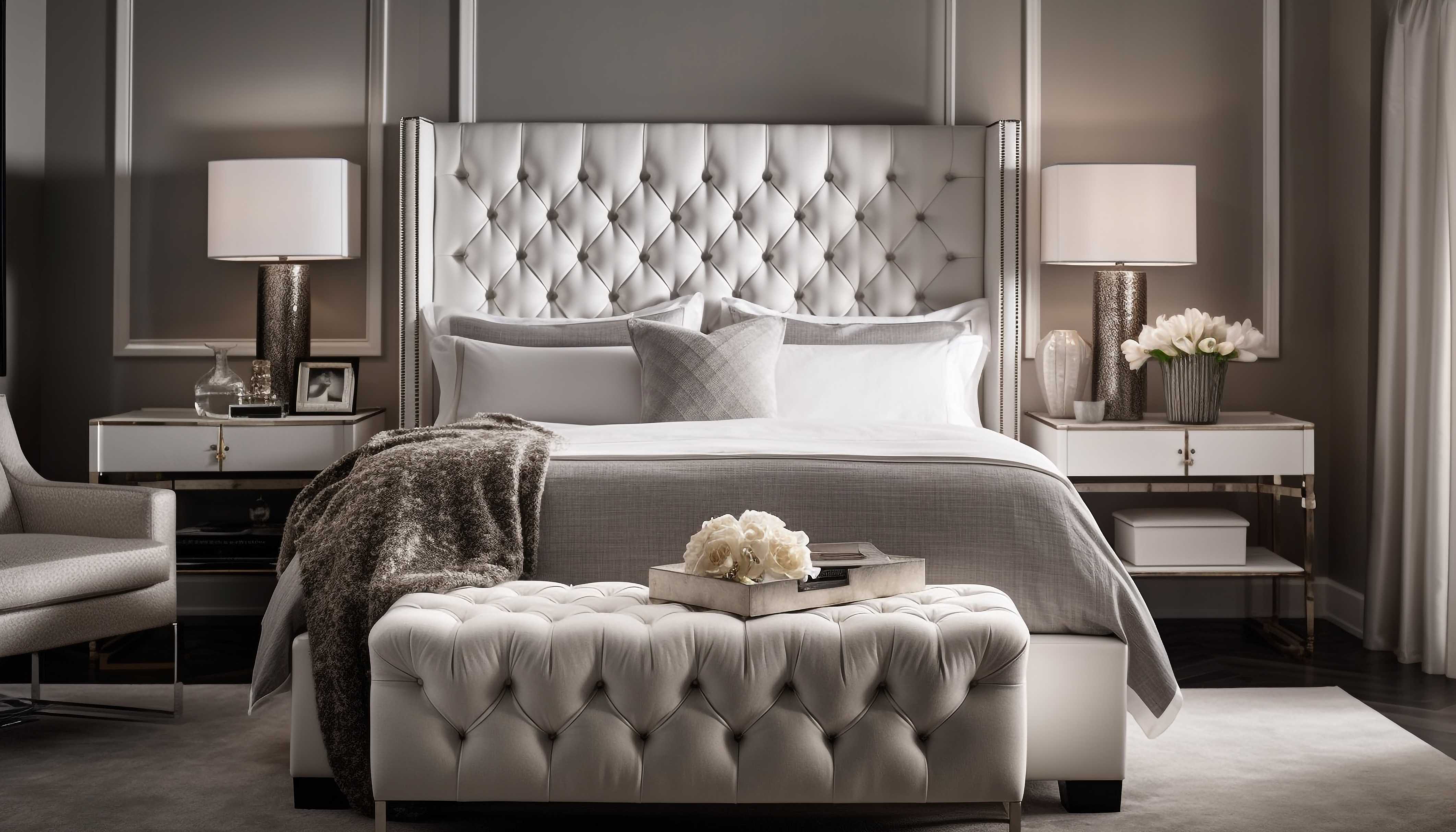
- Carved headboard designs for beds: Floral borders, symmetrical patterns and subtle geometric carvings can create an attractive focal point in a bedroom.
- Carved wooden wardrobe and cupboard designs: Decorative cabinet shutters and wardrobe panels can add character while maintaining practical storage space.
- Carved wooden sofa and chair designs: Floral details, traditional patterns and decorative backrest designs can enhance the appearance of wooden seating furniture.
The important point is to maintain a balance between decoration and functionality. Furniture used every day should have smooth edges, suitable finishes and a strong supporting structure.
Before finalising a furniture carving pattern, consider the dimensions, wood type, design depth and how the finished piece will coordinate with other furniture in the room.
2D Wood Carving Designs for Pooja Rooms and Mandir Panels
Pooja rooms are important spaces in many Indian homes. Wooden carving can add a traditional and peaceful appearance to mandir panels and decorative backgrounds.
Popular pooja room carving designs include:
- Lotus and floral motifs.
- Temple-style arches.
- Decorative wooden borders.
- Traditional patterns.
- Symmetrical mandir back panels.
- Custom religious and cultural motifs.
The design should suit the available space and the overall pooja room layout. Avoid excessive detailing in small areas, as it can make the panel appear crowded.
A suitable polish and finish can further highlight the carving details while protecting the wooden surface. Consider the lighting, surrounding materials and maintenance requirements when selecting the final finish.
Best Woods for 2D Wood Carving
The choice of wood affects the carving quality, durability, finish and overall appearance. Different materials are suitable for different designs and applications.
Some commonly used wood types include:
- Teak wood: Known for its strength, durability and attractive grain. It is commonly used for doors and furniture.
- Sheesham wood: Offers a distinctive grain pattern and is suitable for decorative furniture.
- Mango wood: Can be used for decorative furniture and selected carving applications, depending on its quality and preparation.
- Plywood and MDF: Suitable for certain decorative panels and machine-carved designs, depending on the intended use and environmental conditions.
Not every wood type is suitable for every carving pattern. The selection should consider the design's depth, required strength, moisture exposure and finishing method.
Before choosing a material, discuss its suitability for the intended application. The right material can help achieve the desired appearance while supporting the functional requirements of the wooden component.
How 2D Wood Carving Is Done: From Design to Finish
The carving process involves several stages, from selecting a pattern to applying the final finish. Each stage contributes to the appearance and quality of the completed wooden piece.
- 1. Design selection: The required pattern is selected based on the door, panel or furniture application.
- 2. Design preparation: Measurements and proportions are finalised before transferring the pattern onto the wooden surface.
- 3. Wood selection: Suitable wood or board material is chosen according to the application.
- 4. Carving: The design is created using hand tools or CNC carving equipment.
- 5. Sanding: Rough edges and unwanted marks are removed to create a smooth surface.
- 6. Finishing: Polish, stain or paint is applied to achieve the desired appearance.
Homeowners may also request a custom carving design from a sketch or photo. The design can be reviewed and adapted according to the available panel size, material and carving method.
Understanding the difference between hand-carved and CNC-carved 2D designs can help you select a suitable production method. Hand carving offers individual craftsmanship and can accommodate certain detailed customisations. CNC carving uses computer-controlled machinery to produce consistent patterns, repeated designs and precise detailing.
Polish, Finish Options and Choosing the Right 2D Carving Design
The right finish can highlight the details of a carved wooden surface and improve its appearance. The selection should complement the wood type, room lighting and surrounding furniture.
- Natural wood polish: Highlights the original grain and natural colour.
- Matte finish: Provides a subtle, understated appearance.
- Gloss finish: Creates a smooth and reflective surface.
- Dark wood stain: Gives the carving a rich and traditional look.
- Painted finish: Allows decorative panels to match a specific interior colour scheme.
Selecting a suitable carving design requires more than choosing an attractive pattern. It should match the purpose, size and overall style of the space.
Keep these factors in mind:
- Application: Choose a suitable design for doors, furniture, wall panels or pooja rooms.
- Interior theme: Match traditional patterns with classic interiors and simpler designs with modern spaces.
- Panel dimensions: Ensure that the pattern fits the available wooden surface.
- Carving depth: Consider how much depth is suitable for the selected material.
- Maintenance: Choose designs and finishes that are practical to clean.
- Budget: Detailed patterns and custom work may require more time and cost.
Carving depth and wood panel thickness should always be considered together. A design that is too deep for a thin panel may weaken the material. The carving method and required depth should be finalised before production.
Before selecting a finish, consider the room's lighting, surrounding furniture and maintenance requirements. The finishing material should also be compatible with the selected wood.
2D Wood Carving Designs by Sri Balaji Design Works
Choosing the right design and workmanship is important when planning decorative wooden doors, panels and furniture. A suitable carving pattern should complement the home's architecture while maintaining the required strength and functionality.
If you are exploring wood carving designs in Hanamkonda and Warangal, consider the available design options, material quality, carving precision and finishing standards before making a decision.
Sri Balaji Design Works can be considered by homeowners looking for wood carving services in Hanamkonda and Warangal. Whether you are planning wooden door carving, decorative wall panels or carved furniture, discuss your requirements, preferred patterns, dimensions and finishing expectations before finalising the design.
For homeowners interested in wooden door carving in Hanamkonda and Warangal or carved wooden furniture in Hanamkonda and Warangal, selecting a design that suits the space can help create a coordinated and attractive interior.
Take time to review the proposed design, material and finish before production. Careful planning can help you choose decorative woodwork that complements your home and meets your practical requirements.
Frequently Asked Questions About 2D Wood Carving Designs
Transform Your Interiors with 2D Wood Carving Designs
From decorative main doors and elegant wall panels to beautifully detailed furniture and pooja room designs, 2D wood carving offers different ways to enhance your home interiors.
If you are exploring 2D wood carving designs in Hanamkonda and Warangal, contact Sri Balaji Design Works to discuss your preferred patterns, wood materials, measurements and finishing requirements.
